Imagine waking up one morning to a slow draining sink, an unpleasant odor outside your home, or water pooling in unexpected places in the yard. These problems often catch homeowners off guard, but they are frequently connected to an overlooked part of the property.
The septic system works quietly beneath the surface, managing wastewater from everyday activities such as washing dishes, showering, and doing laundry. Because it operates out of sight, it is easy to forget about it until something goes wrong. Septic tank cleaning plays an essential role in keeping this system functioning properly and preventing costly damage to both the home and the surrounding environment. Visit https://septic-guys.com/ for more information.
Understanding How a Septic System Works
A septic system is designed to treat and manage household wastewater in properties that are not connected to municipal sewer systems. The system typically includes a septic tank and a drain field that work together to process and filter waste.
Wastewater from the home flows into the septic tank through underground pipes. Inside the tank, the waste separates into layers. Solid materials settle at the bottom to form sludge, while lighter substances such as oils and grease float to the top and form a layer known as scum. The liquid layer in the middle flows out of the tank and moves into the drain field.
The drain field is responsible for filtering and dispersing the treated wastewater into the soil. Natural processes in the soil help break down remaining contaminants before the water returns to the environment.
Over time, the sludge and scum layers inside the septic tank continue to grow. Without proper cleaning, these materials can accumulate to the point where they interfere with the system’s ability to function effectively. This is why routine septic tank cleaning is necessary to maintain the balance of the system.
Why Septic Tank Cleaning Is Essential
Septic tank cleaning is an important maintenance task that helps ensure the entire wastewater system operates efficiently. When sludge and scum build up excessively, they reduce the available space for wastewater inside the tank.
As the tank becomes overcrowded with solid waste, untreated materials may begin to flow into the drain field. This can cause blockages and disrupt the filtration process that protects the surrounding soil and groundwater.
Regular cleaning removes the accumulated sludge and scum, restoring the tank’s capacity and allowing wastewater to separate properly again. This process helps maintain the efficiency of the system and prevents potential damage to the drain field.
Septic tank cleaning also helps prevent unpleasant odors that may develop when waste accumulates for too long. Maintaining a clean system ensures that wastewater is processed properly and that odors remain contained.
In addition to protecting the system itself, regular cleaning safeguards the property and the environment. Properly maintained septic systems reduce the risk of contamination and protect nearby soil and water sources.
Signs That Your Septic Tank Needs Cleaning
Although septic tanks operate underground and remain hidden from view, there are several warning signs that may indicate the need for cleaning.
One of the most common signs is slow drainage inside the home. Sinks, showers, and toilets may take longer than usual to drain, suggesting that the system is becoming overloaded.
Unpleasant odors near drains or in the yard may also indicate that the septic tank is full or not functioning properly. These smells often result from gases escaping when waste is not being processed efficiently.
Standing water or unusually lush grass near the drain field can also signal septic system problems. When the tank is too full, wastewater may not be properly filtered before reaching the soil.
Another warning sign is sewage backing up into household plumbing fixtures. This is a serious issue that requires immediate attention because it indicates that the septic system has become overwhelmed.
Recognizing these signs early allows homeowners to schedule septic tank cleaning before the problem escalates into a costly repair.
The Septic Tank Cleaning Process
Septic tank cleaning involves removing accumulated waste from the tank to restore its capacity and functionality. The process typically begins with locating and uncovering the access point to the septic tank.
Once the tank is accessible, professionals inspect its condition to evaluate the levels of sludge and scum inside. This inspection helps determine how much waste must be removed during the cleaning process.
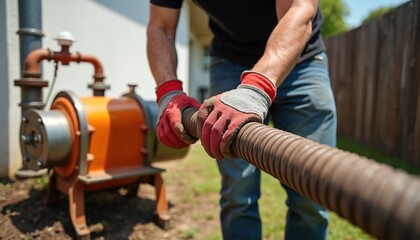
Specialized equipment is then used to pump out the contents of the tank. This equipment safely removes sludge, scum, and wastewater while minimizing disturbance to the surrounding area.
After the tank is emptied, it may be inspected for signs of structural damage or other issues. Checking the tank during cleaning helps identify potential problems early and ensures that the system remains in good condition.
Once the inspection is complete, the tank is securely closed and the system is ready to resume normal operation. Proper cleaning restores the tank’s capacity and supports the efficient treatment of household wastewater.
How Often Septic Tanks Should Be Cleaned
The frequency of septic tank cleaning depends on several factors, including household size, water usage, and the capacity of the tank. Homes with larger families typically produce more wastewater, which can lead to faster accumulation of sludge and scum.
In many cases septic tanks require cleaning every few years to maintain optimal performance. However, some systems may require more frequent service depending on how heavily they are used.
Regular inspections can help determine the appropriate cleaning schedule for a specific property. By monitoring the levels of sludge and scum inside the tank, professionals can recommend when cleaning should take place.
Waiting too long between cleanings increases the risk of system overload and potential damage to the drain field. Establishing a consistent maintenance schedule helps prevent these problems and keeps the system operating efficiently.
Preventing Septic System Problems
While septic tank cleaning is essential for maintaining the system, homeowners can also take steps to reduce strain on the septic system and prolong its lifespan.
One important practice is using water efficiently. Excessive water usage can overwhelm the septic tank and prevent waste from separating properly. Spreading out activities such as laundry and dishwashing helps maintain balanced water flow.
Proper waste disposal also protects the system. Only biodegradable materials and wastewater should enter the septic tank. Items such as wipes, sanitary products, and paper towels can cause blockages and should never be flushed.
Grease and cooking oils should also be kept out of the system. These substances contribute to the scum layer and can interfere with the natural breakdown of waste inside the tank.
Maintaining the drain field area is another important preventative measure. Avoid parking vehicles or placing heavy structures over this area, as excessive weight can damage underground components.
By following these practices, homeowners can reduce the risk of septic system problems and extend the time between necessary cleanings.
The Environmental Importance of Septic Tank Maintenance
Septic systems play a vital role in protecting environmental health when they are properly maintained. Wastewater treated by the septic tank and drain field eventually returns to the soil, where natural processes complete the purification process.
If a septic system becomes overloaded or damaged, untreated wastewater may contaminate nearby soil and water sources. This contamination can affect plant life, wildlife, and even drinking water supplies.
Regular septic tank cleaning ensures that waste is properly processed and that harmful contaminants remain contained within the treatment system. Maintaining the septic system therefore supports both household sanitation and environmental protection.
Responsible septic system maintenance also contributes to the sustainability of wastewater treatment in areas that rely on individual systems rather than centralized sewer networks.
Conclusion: Protecting Your Home with Regular Septic Tank Cleaning
Septic tank cleaning is an essential part of maintaining a healthy and efficient wastewater system. Although the septic system operates out of sight, it plays a critical role in managing the waste produced by everyday household activities.
By understanding how the system works, recognizing warning signs, and scheduling regular cleanings, homeowners can prevent costly repairs and protect their property from damage. Proper maintenance also supports environmental health by ensuring that wastewater is treated safely.
Taking care of a septic system may not always be visible work, but it provides long lasting benefits for the home, the surrounding land, and the people who rely on the system every day.